
Ohio salt season November – March
Winter Paint Protection
Paint Protection Film, ceramic coating, and wheel coating that stand up to Ohio salt, slush, and road grime.
This page explains what an Ohio winter does to paint and wheels,
and how PPF, ceramic coating, and wheel coating work together to protect them.
Ohio winters are hard on a vehicle's finish. Road crews spread salt, brine, and grit for months, and every mile on treated roads throws that mix at the front end, the lower panels, and the wheels.
ESOTERIC protects vehicles for winter at our studios in Columbus and Cleveland, Ohio, for owners who want their vehicle to come out of the season looking the way it went in.
Salt and brine are corrosive and they cling. Left on paint, trim, and wheel finishes between washes, they stain, etch, and dull the surface, and anywhere a chip has exposed bare metal is a place for corrosion to start.
Sand and gravel spread for traction act like an abrasive. Add salt trucks and the slush thrown by the vehicle ahead, and the hood, bumper, mirrors, and rocker panels collect chips and pitting all season.
Winter is also the hardest time to keep a vehicle clean. Cold temperatures, short days, and constant road spray mean grime stays on the finish longer, which is exactly when protection matters most.
Protect It Before the Salt Hits
The best time to protect a vehicle is before winter starts. Film and coatings go onto clean, decontaminated, properly prepared paint, so the finish that goes into winter is the finish that comes out of it.
Once salt season begins, wear starts with the first drive.
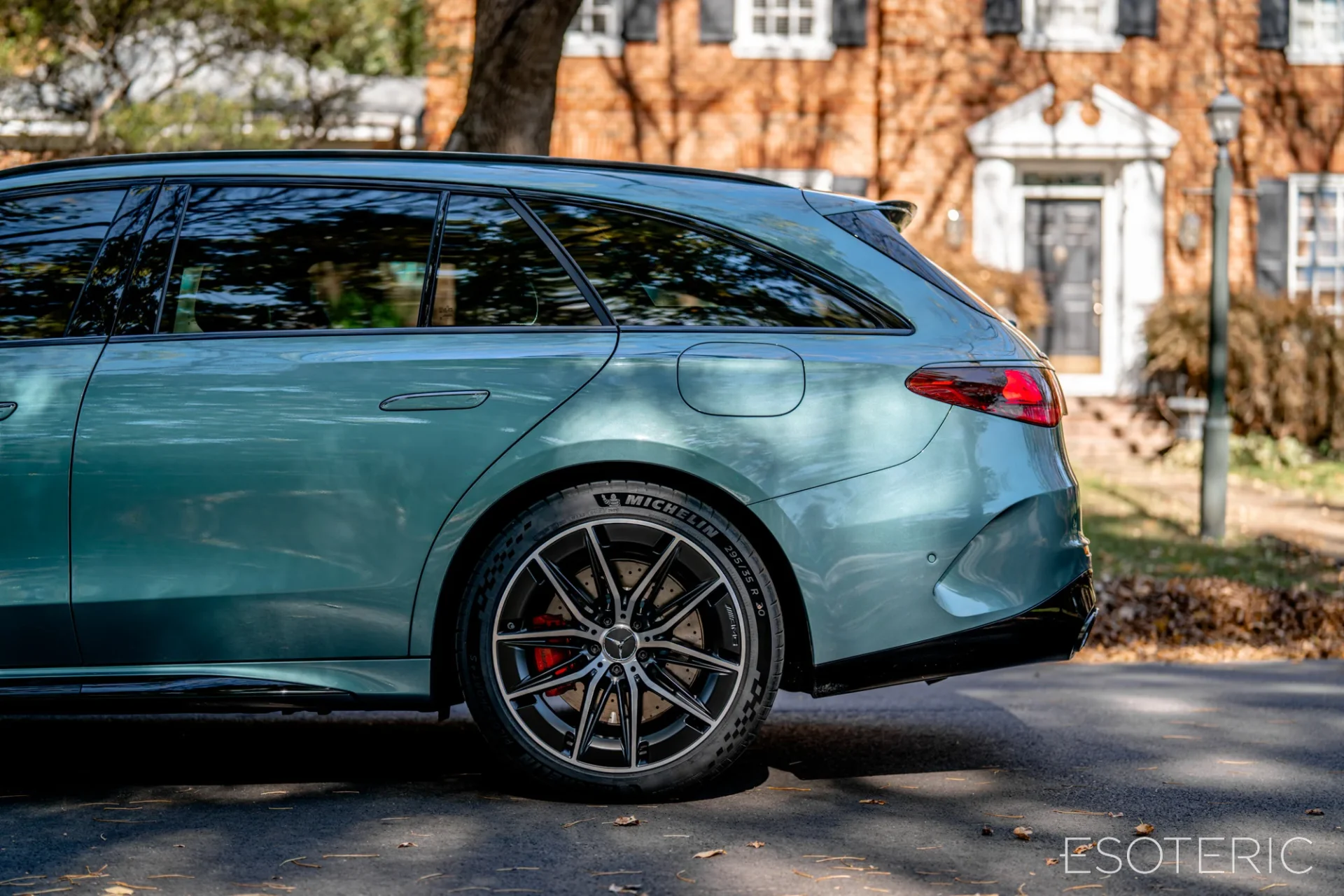
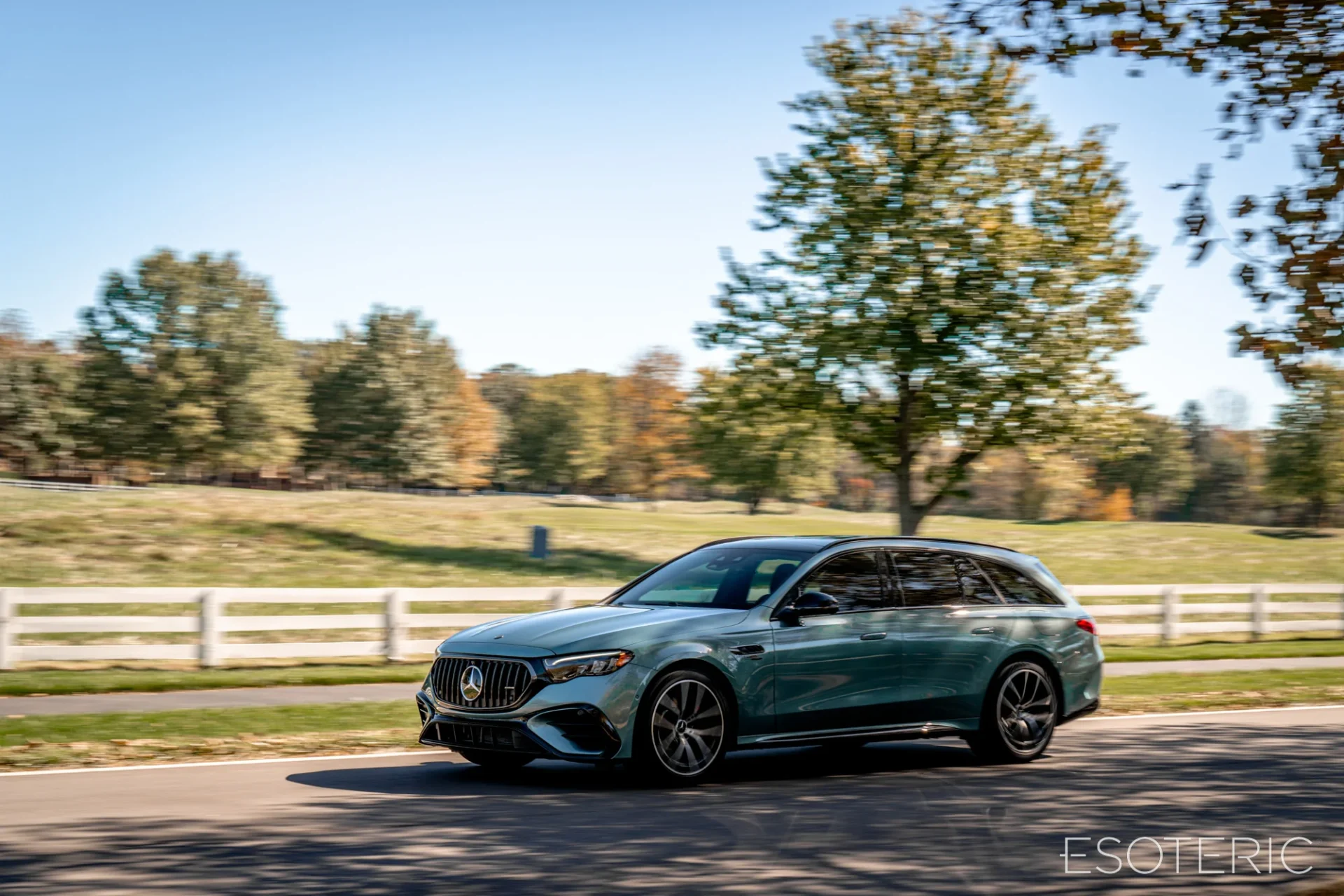
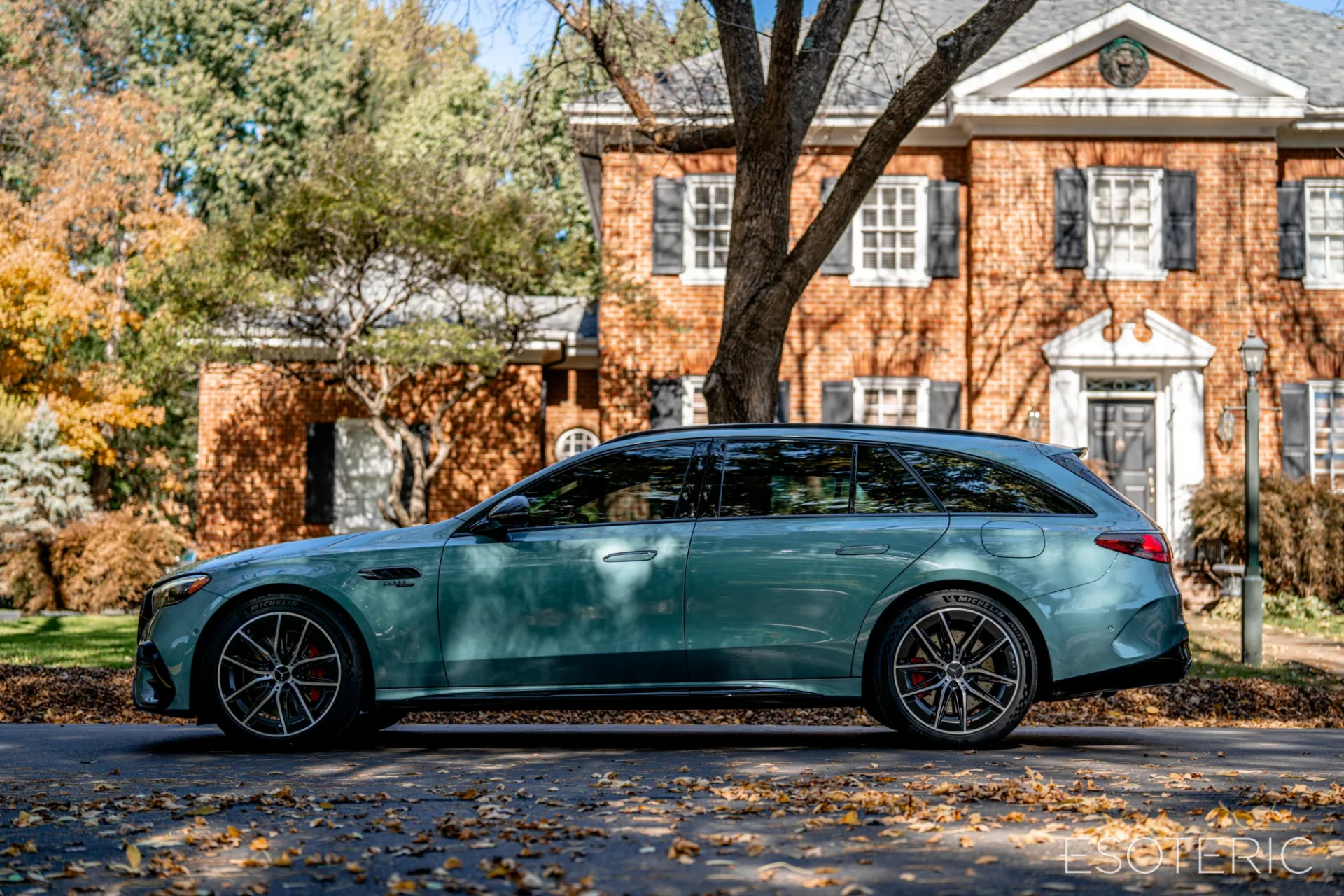
This 2027 Mercedes-Benz E53 AMG wagon is a good example. It is a daily driver that sees highway miles in every season, so full-coverage XPEL Paint Protection Film was installed over the entire exterior. With every painted panel covered, rock chips and road debris are stopped wherever they land, and the self-healing topcoat lets light wash marks fade with heat.
Most owners protecting a vehicle for winter combine Paint Protection Film on the impact areas, ceramic coating on everything else, and a wheel coating to handle brake dust and salt.
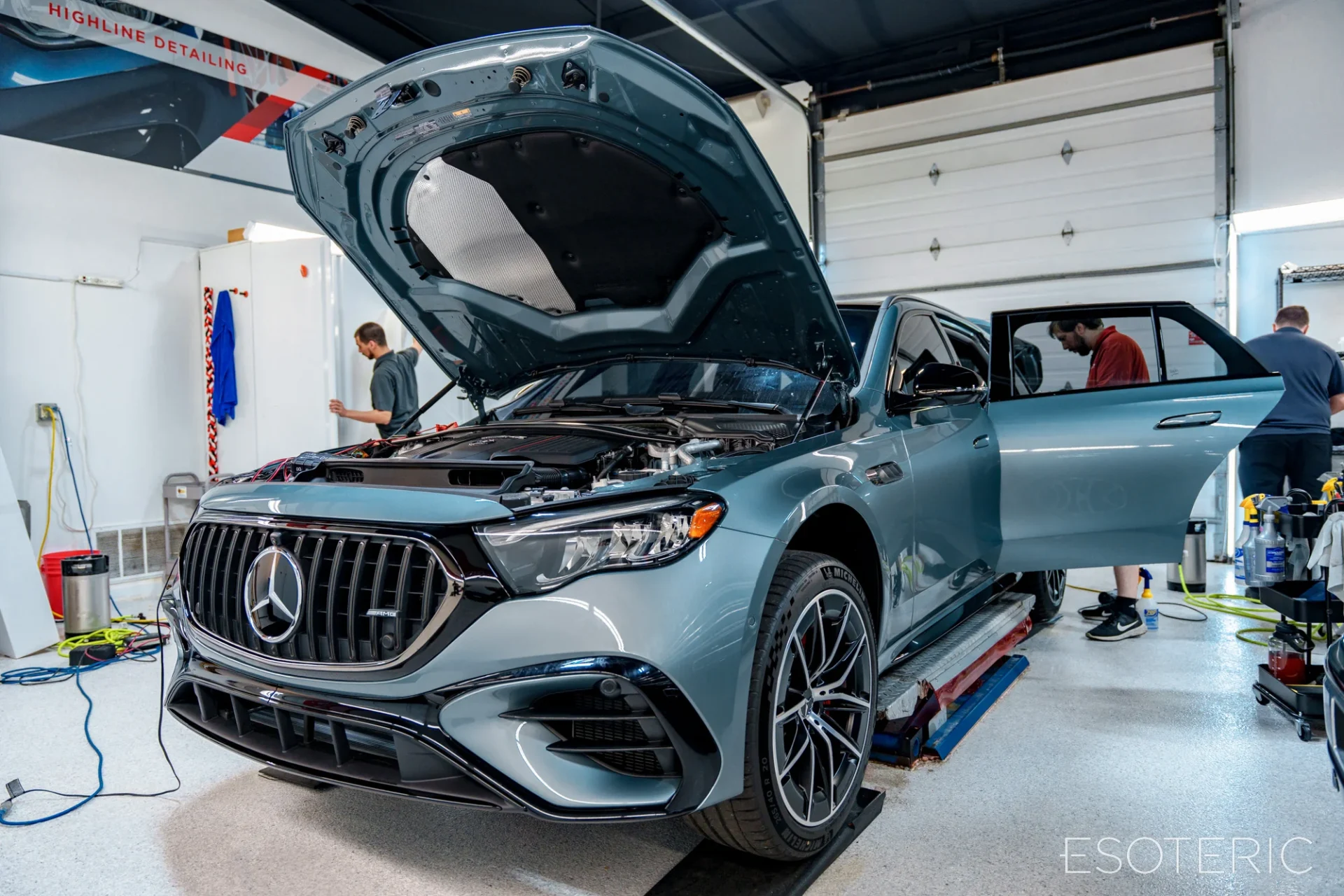
Paint Protection Film for Winter Driving
Paint Protection Film (PPF) is a transparent urethane film applied to painted surfaces. In winter, it takes the hits your paint would otherwise take.
- Rock chips from gravel, sand, and salt spread on the road
- Sandblasting on the bumper, hood, and mirrors at highway speed
- Slush and grit thrown onto rocker panels, lower doors, and rear quarters
- Salt residue sitting on the finish between washes
The film is a sacrificial barrier. It absorbs the damage, and the original paint underneath stays intact.
Why PPF Matters in Winter
- Stops chips before they reach the paint, where exposed metal can begin to corrode
- Self-healing topcoat lets light swirls and wash marks fade with heat
- Lower-panel coverage protects the areas that take the most slush and grit
- Can be ceramic coated for easier washing all season
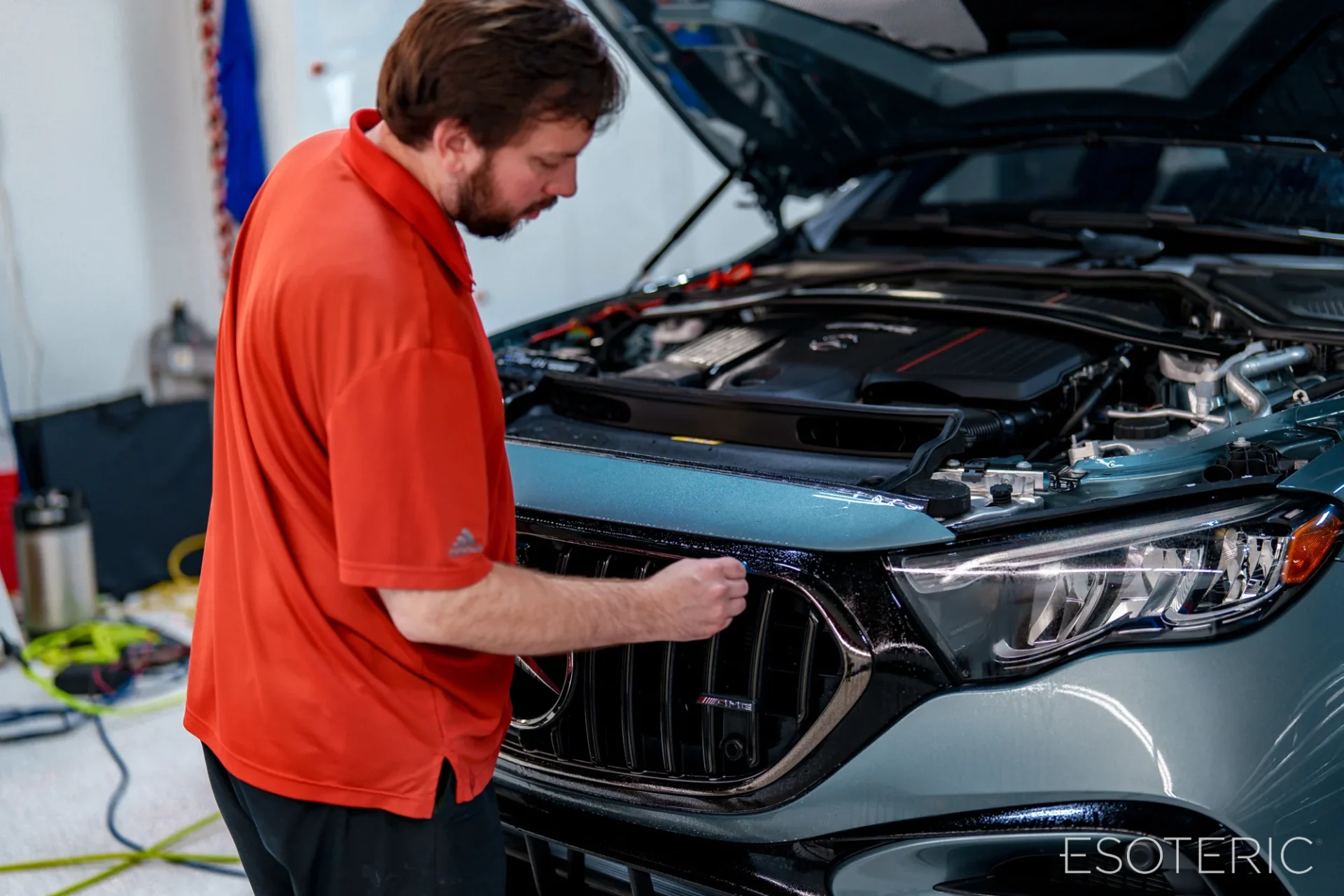
Which Areas Need It Most?
The front bumper, hood, fenders, and mirrors take direct impacts. The rocker panels, lower doors, and the area behind each wheel get sandblasted by slush and grit thrown from your own tires.
Full Front Protection covers the impact zone. High-Impact coverage adds the rocker panels and lower rear quarters, and Full Vehicle Coverage protects every painted panel. Compare PPF coverage options.
Winter Protection Options
Winter protection works best as a system.
Film stops physical damage, coatings keep salt and grime from bonding, and the wheels get their own protection. Every recommendation is made after evaluating the vehicle and how it will be driven this winter.
Select an option below.
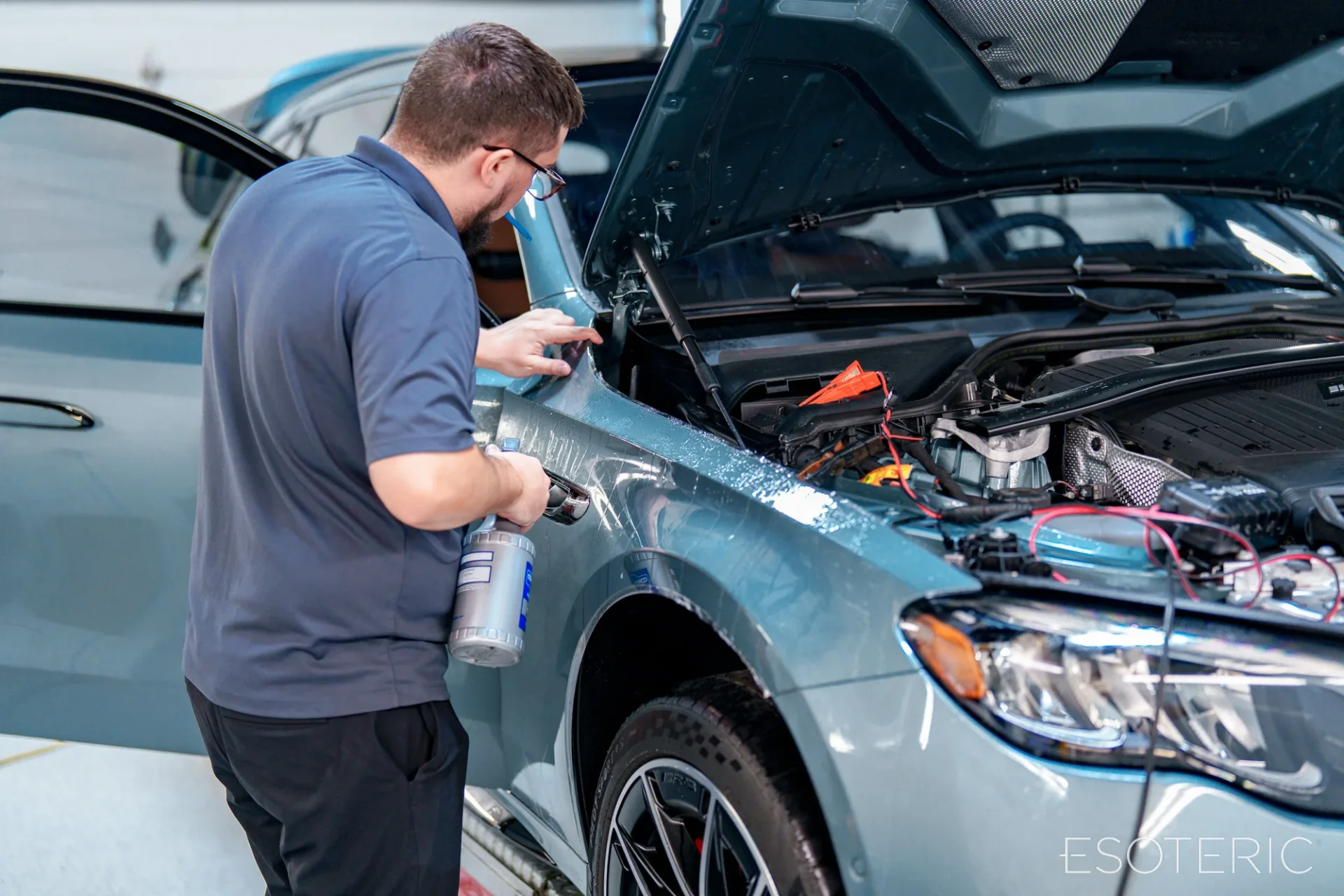
Paint Protection Film
Physical protection against chips, sand, and grit on the front end and lower panels. Choose Full Front, High-Impact, or Full Vehicle coverage.
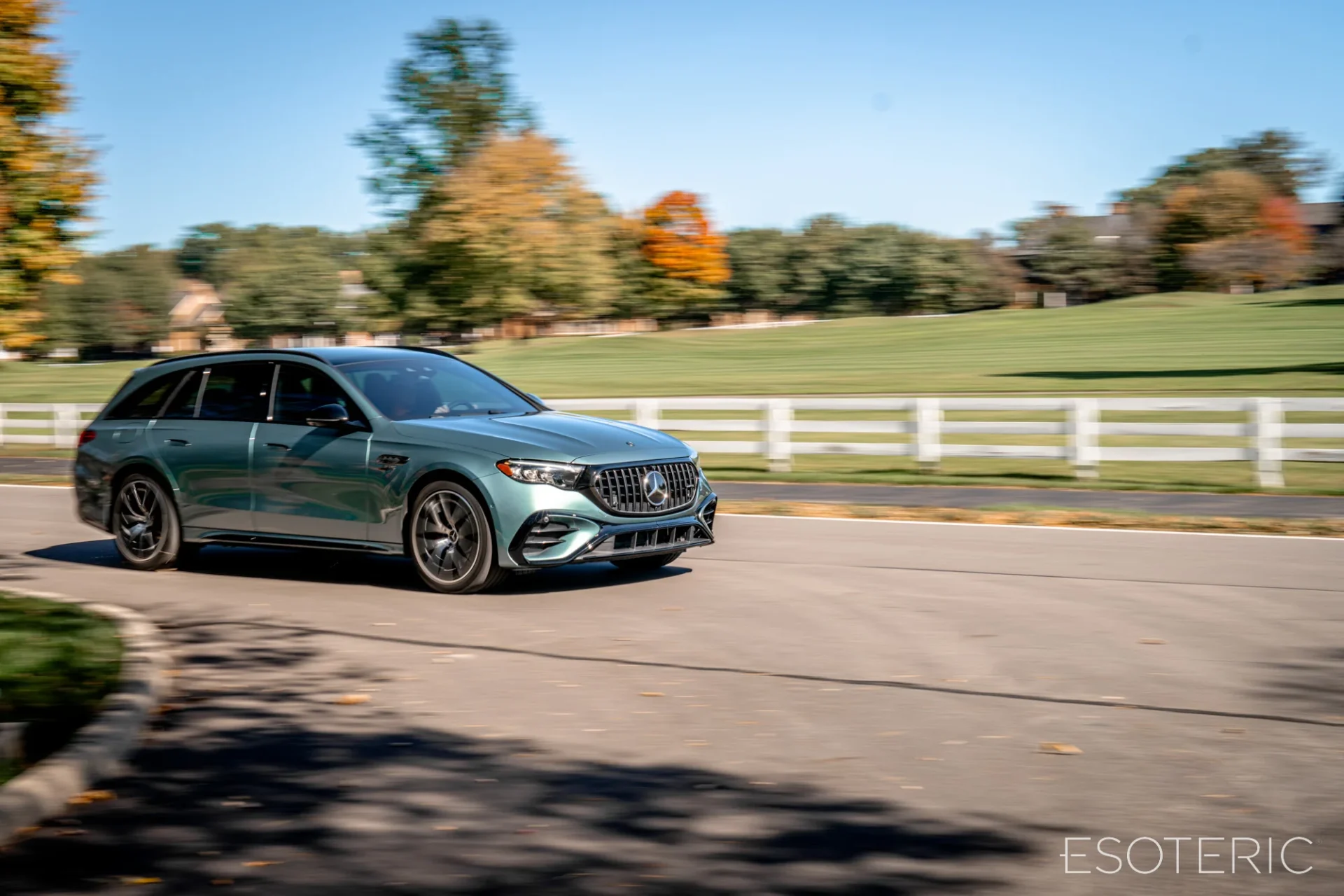
Ceramic Coating
A slick, chemical-resistant layer that helps salt, brine, and road film release when you wash. It can be applied over paint and over PPF.
Wheel Coating
Heat-resistant ceramic protection for your wheels, so brake dust and road salt rinse away instead of baking onto the finish.
Ceramic Coating for Winter
Ceramic coating is a liquid-applied protective layer that bonds to paint, trim, and Paint Protection Film. Once cured, it forms a slick, durable barrier that makes winter contamination far easier to remove.
- Salt, brine, and road film release more easily when washed
- Improved chemical resistance against de-icing residue and strong winter wash soaps
- Less scrubbing, which means less wash-induced marring on a vehicle that is dirty all season
- Water and slush sheet off instead of drying in place
Ceramic coating is not impact protection. It does not stop rock chips, which is why many clients pair it with Paint Protection Film on the front end and lower panels.
Easier Washes All Winter
In winter, a vehicle can be dirty again a day after it is washed. A coated finish rinses cleaner, so salt doesn't sit on the paint between full washes.
Rinsing regularly, including the lower panels and wheel wells, is still the most important thing an owner can do during salt season. Ceramic coating aftercare.
Don't Forget the Wheels
Wheels take more winter abuse than any other part of the vehicle. Hot brake dust mixes with salt and road grime, bakes onto the finish, and becomes hard to remove without harsh cleaners and stiff brushes.
- Brake dust and salt release with a rinse instead of bonding to the surface
- Helps protect painted, machined, and gloss finishes from staining
- Reduces the need for acid-based wheel cleaners that can damage finishes
- Makes weekly winter cleaning faster and safer
A quality ceramic wheel coating typically lasts one to three years depending on driving and care. Gentle, pH-neutral cleaners get the most from it. How long does wheel coating last?
Winter Protection FAQs
When should I protect my vehicle for winter?
As early as possible. Paint has to be clean and properly prepared before film or coating is applied, and finishing the work before salt season means the vehicle is protected from the first treated road. Fall is our busiest season for winter protection, so plan ahead.
Can PPF or ceramic coating be installed during winter?
Yes. Installation is done indoors in our climate-controlled studios, so the weather outside does not affect the work. Vehicles that arrive with salt and road film are fully decontaminated first.
Do I need both PPF and ceramic coating?
Not always. PPF provides physical protection against chips and abrasion; ceramic coating makes surfaces easier to clean and more resistant to chemicals. For a vehicle driven through Ohio winters, PPF on the impact areas with ceramic coating over the rest of the vehicle and the wheels is the most complete approach.
Do you offer winter protection in Columbus and Cleveland?
Yes. ESOTERIC installs Paint Protection Film, ceramic coating, and wheel coating for clients in Columbus, New Albany, Cleveland, and the surrounding areas.
What if my vehicle won't be driven this winter?
Ask about the ESOTERIC Winter Residency. Winter is an ideal time for preservation work on vehicles that would otherwise sit in storage.
Get Ahead of Winter
Salt season is coming either way. Protecting the paint, the lower panels, and the wheels before it starts is the simplest way to keep your vehicle looking right through spring and beyond.